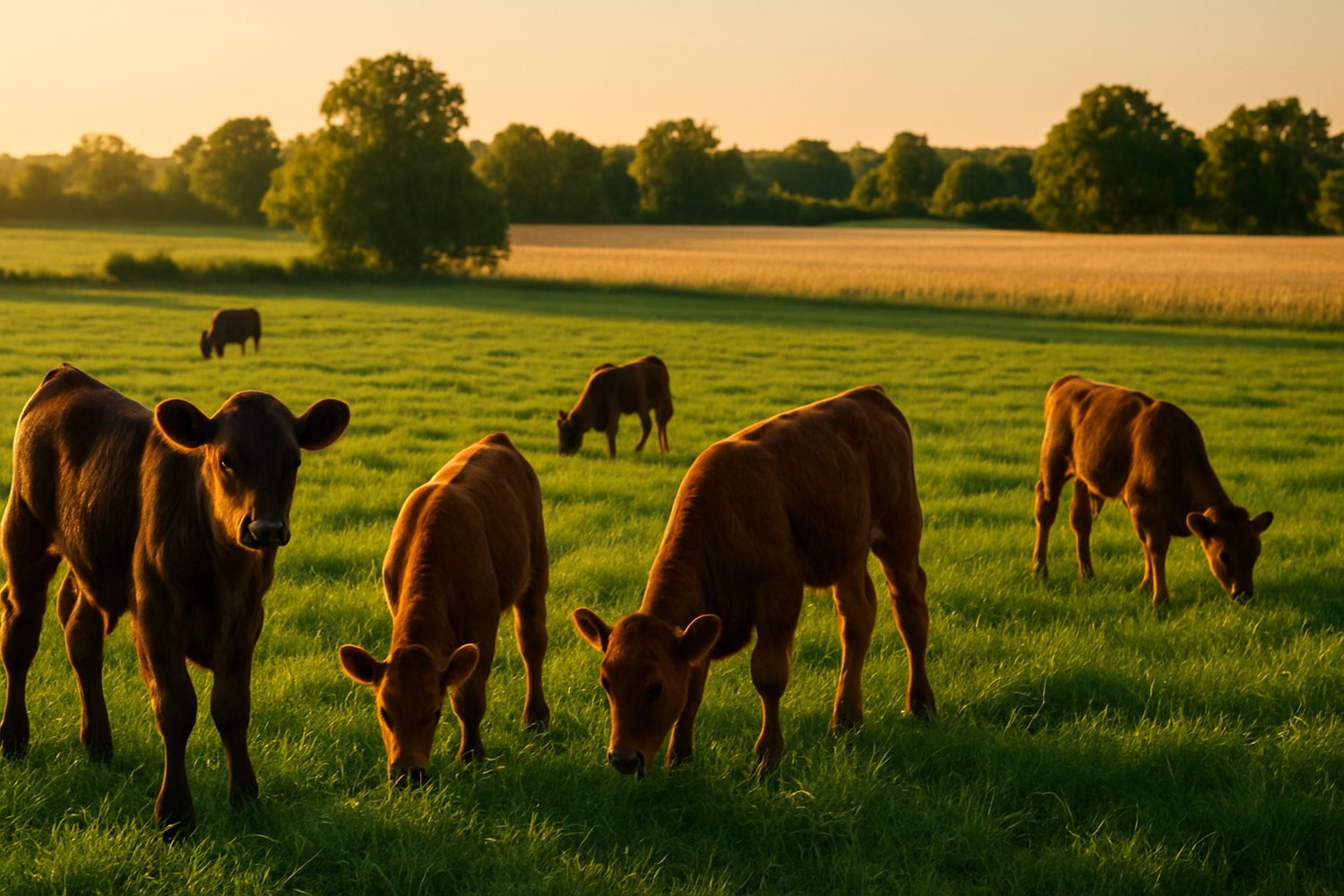


For the past thirty years, we've been using our bio-enhancing technology on a wide range of systems—from farms and animal herds to waste treatment and plant roots. We've seen clear improvements in how these systems work and measured real-world gains, like healthier crops or faster waste breakdown.
At first, the tiny details of why it worked were a mystery, like knowing a recipe tastes great but not quite understanding the ingredients. Now, we've uncovered that the secret sauce is transferring phages—nature's microscopic balancers—between systems.
This discovery fits like a missing puzzle piece with what we already know about phages. Our special blend of raw materials from diverse natural spots, combined with a careful growing and multiplying process, creates a rich mix of phage varieties—like brewing a super-diverse herbal tea from wild gardens across the world.
After applying it to hundreds of different setups over decades, we can confidently say this is a smart, safe, and earth-friendly way to unlock big commercial wins across many applications. In most cases, you get back ten times what you put in—like investing a dollar and harvesting ten dollars' worth of better yields or efficiency. In tough environments where nothing else works, it has been a lifesaver.
Introduction
Think of microbiomes as bustling underground cities in places like your gut, an animal's belly, a plant's root zone, or even a compost pile. These aren’t just random spots; they’re super-complex hubs packed with trillions of tiny residents—bacteria, archaea, fungi, and phages—all working together like a well-oiled neighborhood.
Bacteria are the most famous crowd—more numerous on Earth than stars in the sky, with over a trillion different kinds estimated to exist. Only about 1,000 species cause trouble. The rest are everyday heroes: breaking down food, fixing soil, and keeping ecosystems humming.
Archaea are the quirky cousins of bacteria—once mistaken for the same family. They have unique superpowers, like converting waste into methane gas, but still make up only a fraction of microbial life.
Fungi—the mushrooms, yeasts, and molds—form their own kingdom entirely. Their tough chitin-based cell walls and ability to recycle organic matter make them essential to ecosystem balance.
And then there are phages—the most abundant of all. They outnumber bacteria 10 to 1, with 1,000 times the variety. A single drop of clean water can hold 200 million phages.
Phages are like tiny, non-living delivery drones made of proteins wrapped around DNA or RNA. They don’t move on their own; they hitch a ride by infecting bacteria, archaea, or fungi—mostly bacteria, where they’re called bacteriophages. Once inside, they tweak how the microbiome runs by sharing genetic “software updates.”
What Do Phages Do? (And Why It Matters)
Asking “what are phages?” is easy—they're nature's regulators. But “what do they do?” reveals layer upon layer of fascinating impact.
Imagine a busy marketplace: bacteria are the vendors offering nutrients, waste cleanup, and oxygen exchange. Without rules, chaos would break loose. Phages act like the market regulators—communicating, managing balance, and stepping in when needed.
In a healthy microbiome:
-
Microbes communicate through chemical signals called auto-inducers.
-
These signals tweak gene activity like neighbors exchanging notes.
-
Diverse species work together smoothly, forming a dynamic, multilingual community.
These microbial cities directly support the “big residents” above them—like humans, animals, or crops. Your body alone has three times more microbial cells than human cells. Without them, digestion, immunity, and nutrient cycling would collapse.
Modern DNA sequencing has lifted the curtain on this hidden world, revealing far more diversity than old lab methods ever did. Most microbes can’t thrive alone; they depend on the bustling community around them.
Microbiomes in Action: Healthy vs. Out of Sync
Microbiomes linked to thriving hosts—whether a vibrant gut or rich garden soil—act like a perfectly tuned symphony: diverse, adaptable, and harmonious.
But human interventions can throw them off balance:
-
Too much fertilizer (microbial “junk food”)
-
Harsh chemicals
-
Environmental stress
These disrupt the natural rhythm and cause dysbiosis—a state where a few aggressive microbes take over, lowering yields and harming health.
Nature slowly fixes this by importing new phages through wind, water, or soil movement. But this can take decades.
Ecological Phage Transfer fast-forwards the process.
By introducing a diverse phage mix sourced from healthy wild environments, we:
-
Restore microbial balance
-
Reintroduce vital diversity
-
Reduce harmful build-ups
-
Re-energise biological processes
It’s like bringing expert consultants into a struggling ecosystem—they quickly diagnose issues and guide everything back into balance.
Phages also keep ecosystems flexible. Globally, they help recycle nutrients, prune up to 30% of bacteria daily, and strengthen resilience—whether in soil, water, or livestock digestion.
Humans naturally absorb around 30 billion phages every day from the environment. They move through the body, fine-tuning systems silently and effectively.
The Big Picture: Nature's Clever Symphony
This all echoes the idea behind Excogitandum Dei—the clever, intricate blueprint woven into nature. Phages act as conductors, ensuring the microbial orchestra performs beautifully as Earth evolves.
After more than 30 years of research and real-world application, we’ve transformed vague early benefits into a proven, practical toolkit. Ecological Phage Transfer isn’t sci-fi—it’s simply nature amplified.
Whether you're aiming to:
-
Boost farm output
-
Improve livestock health
-
Enhance soil structure
-
Increase nutrient efficiency
-
Improve waste breakdown
-
Support plant resilience
-
Optimise factory or production processes
…phages are ready to help restore harmony.
If you’re ready to tune up your own microbiome ecosystem, the phages are waiting.